



Antarctic Peninsula Cruises
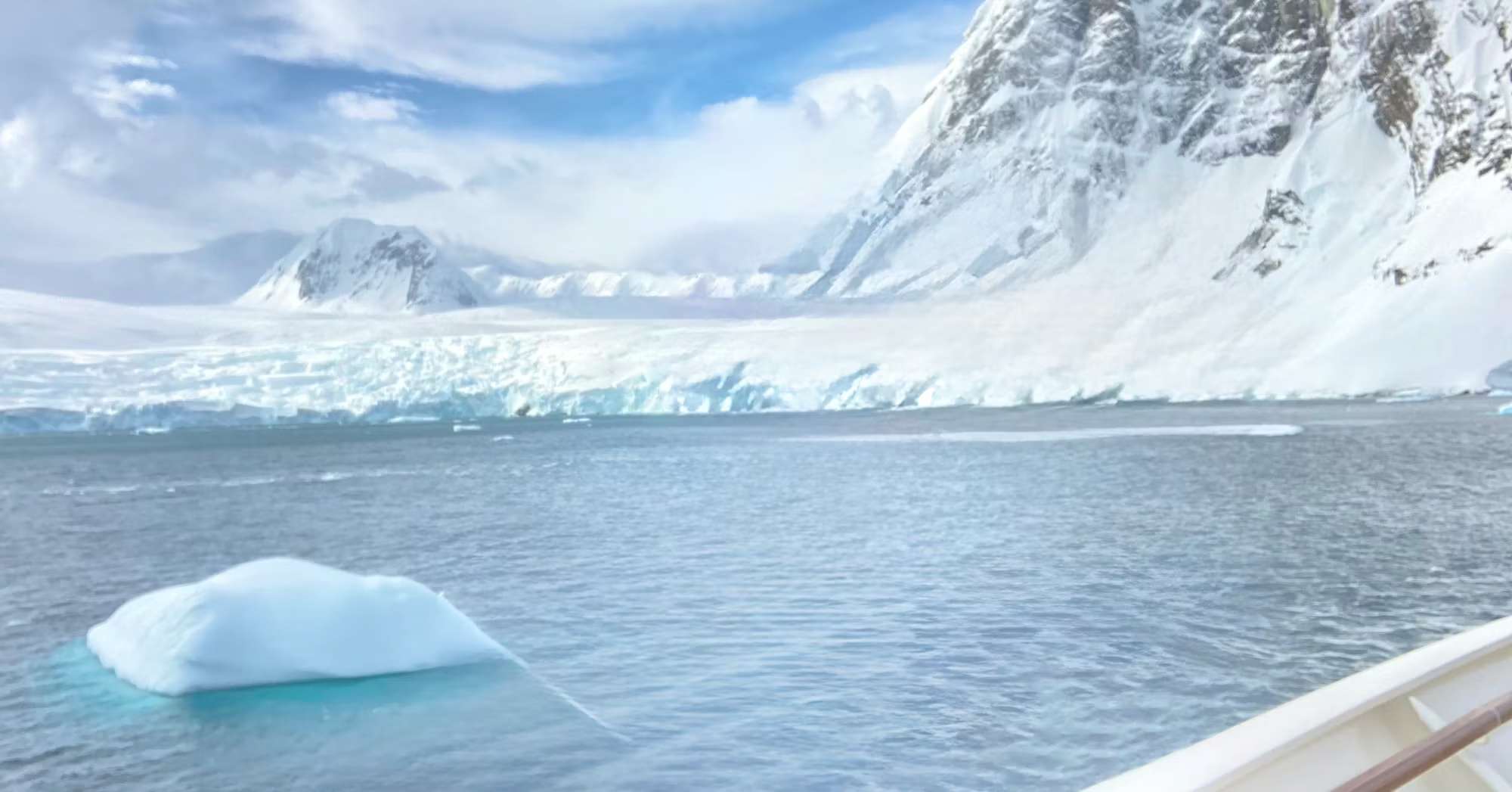
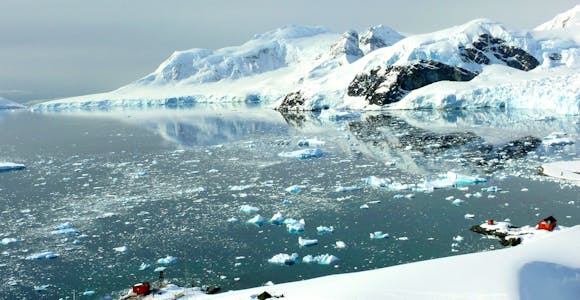
The Peninsula is the classic way to experience Antarctica. Some of the best wildlife and most dramatic scenery can be found in this part of the Frozen Continent.
Discover More
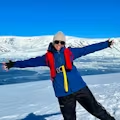
No matter how ready you think you are, nothing really prepares you for the sensation of setting foot in Antarctica for the first time. The crunch of the snow is a kind of magic, putting you under an icy spell you won’t want to escape from.
Heather Moult Antarctica Specialist


Celebrating my first visit to Antarctica

Price Match Promise - We’ll match any price you find elsewhere for the same trip

The most exciting thing about expedition cruising to Antarctica is that you have the chance to leave the ship and step foot on the continent itself. But where will you actually do so?
The Antarctic Peninsula is surrounded by a multitude of small islands. These are undoubtedly Antarctica and are home to some the best wildlife and historic sites for visitors, But for some visitors, the draw of potentially touching the mainland itself on a so-called 'continental landing' is an additional bonus to visiting this jaw-dropping part of the world.
In truth, due to the highly glaciated terrain there are only a small handful of locations where you can actually make a continental landing and, as with all things in Antarctica, visiting these is subject to weather and ice conditions. Both the ship's Captain and Expedition Leader fully understand the appeal of being able to say you've stood on the mainland however, so trips to the Antarctic Peninsula will always try to make a continental landing during their voyage if conditions allow.
Even if the weather or ice prevents access, remember that the surrounding islands generally become part of a single Antarctic entity, connected by the sea ice that almost doubles the size of the continent each winter. The White Continent is a truly incredible destination, so you'll experience something extraordinary at every turn, wherever you land.

Roughly the same size as the USA and Mexico combined, Antarctica is a huge continent but visitors only ever visit a tiny fraction of it. The vast majority of trips here go to the Antarctic Peninsula, a long icy finger pointing out of the continent towards South America and fringed with many islands. A typical cruise here will always attempt to make a continental landing rather than just on one of the islands if the weather allows it, allowing you to claim that all important prize of stepping foot on the great landmass itself.
A great add-on to a Peninsula cruise is the sub-Antarctic island of South Georgia. Also known as the Serengeti of the South due to its abundance of wildlife, penguins here are measured in the hundreds of thousands and seals by the million: a true nature documentary come to life.
On the opposite side of Antarctica facing New Zealand, the Ross Sea is famous for its historic connections to the race for the South Pole, but being remote and hard to access, it's visited by relatively few cruise ships every year.

The most straightforward way of reaching Antarctica is by sea. Expedition cruise ships sail from Ushuaia on the southern tip of Argentina.
It takes two days to sail to the Antarctic Peninsula across the Drake Passage. This stretch of sea is famous for its lively waves, though there’s no way of knowing in advance if you’ll experience the ‘Drake Shake’ or a perfectly calm ‘Drake Lake’. Modern cruise ships have underwater stabilisers to help smooth their way, though you’ll still envy the effortless grace of the albatrosses that glide in your wake.
If you want to skip the voyage or just get to Antarctica in the quickest way possible, fly-sail cruises give the option of flying direct from Punta Arenas in Chile. This route gets you to King George Island in the South Shetland Islands in about two hours rather than two days. You’ll join your cruise ship straight from the plane and start exploring in no time.
Whether you sail or fly, the majority of Antarctic Peninsula cruises spend around four days in and around the continent.
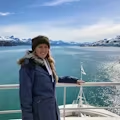
On my first trip to Antarctica I thought I was going to check off a box for my 7th continent, but being there was so much more than just that. It was beautiful, raw, untouched and completely indescribable.
Rebecca Porritt Antarctica Specialist

Antarctica’s cruising season runs from November through to March, with the busiest time coinciding with the height of the Antarctic summer and nearly 24 hours of daylight. During the long dark winters, the continent is inaccessible to all but the hardiest scientists on their research bases.
Early season offers the best pristine snow and a chance to see penguins engaging in breeding and nesting behaviour. Whales are fewer in number at this time of year as many are still migrating south: they're at their most abundant (and playful) in March. These shoulder seasons are also great for photographers, as the sun dips below the horizon for amazing sunsets and sunrises. High season sees wildlife at its most active, with the extra attraction of lots of adorable penguin chicks however: an understandable draw for many travellers!
We’ve seen demand for Antarctic trips boom in recent years, but whenever you’re planning to travel you should be aware that ships can fill up faster than you think. To be sure of your preferred dates and ship, we strongly recommend starting to plan your trip at least 12 months before you intend to travel.

A humpback's flukes
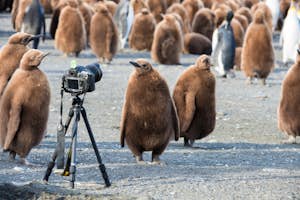
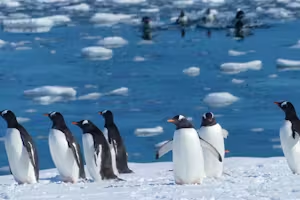
If there’s one thing that everyone looks forward to when visiting Antarctica, it’s seeing penguins. Truly, few animals can match them for charisma. On a typical Peninsula trip you’ll be able to tick off gentoo, Adelie and chinstrap penguins – in their colonies, on ice floes or just porpoising around you as you cruise through the icy bays. Emperor penguins aren’t found in many locations visited by cruise ships (they tend to like it even colder), but let us know if this majestic creature is on your wishlist and we’ll find the right trip for you. For king penguins, add South Georgia to your itinerary: it has around 400,000 pairs in immense, noisy colonies
Alongside penguins, you’ll also find seals aplenty like the beautifully sinuous leopard seal, often seen lazing on ice floes.
As for whales, travel later in the season to get the best encounters. Humpbacks are the most commonly seen, followed by the much smaller minke whale. The thrill of seeing one close by when you’re out in a zodiac or even a kayak is never to be forgotten.
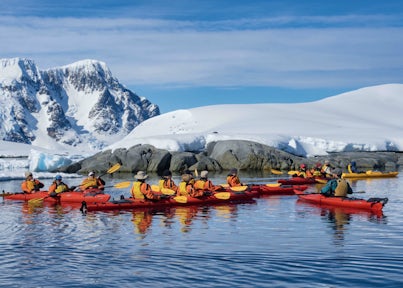
You don’t have to stop at just setting foot in Antarctica: there are a whole host of other activities you can include in your adventure.
If you’re after the ultimate bragging rights, why not spend the night camping out on the continent? You’ll dig your own snow hole and wrap up warm for an unforgettable night under the midnight sun before returning to the ship for breakfast and a hot shower.
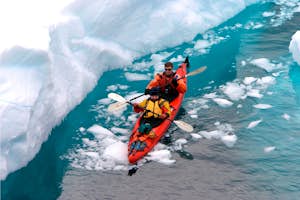
If you want to be more active, try your hand at kayaking or stand up paddleboarding. This is one of the best ways to experience Antarctica at its vast and silent best, with the only noise coming from your paddles, or perhaps your stifled glee as you find yourself amid a gaggle of swimming penguins.
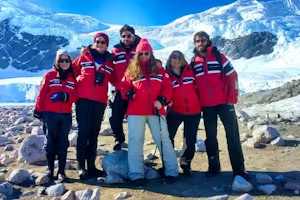
To stretch your legs and really play at being a polar explorer, take part in a hike or go snowshoeing to places where the only beaten track are the ones left by your walking companions (or possibly a curious penguin). Or get dressed up in a dry suit and take a peek beneath the waves on a snorkelling excursion led by world-class polar guides – the possibilities for adventure are as boundless as Antarctica’s horizons.
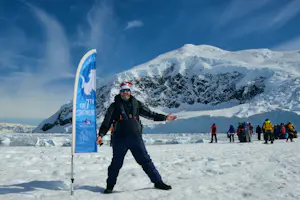
My highlight was landing on the continent in Paradise Bay and going to Deception Island. We repeatedly said we felt like we were on an ocean safari, we saw so much wildlife every day.
Travelled: March 2017
Barbara - California
Being on the continent on a still summer solstice night was something so special. The majesty of the landscape and some curious penguins and seals as neighbours - completely magical.
Travelled: December 2016
Declan - UK
Every ship in the polar fleet has something slightly different to offer, which is where Swoop's expertise works for you. Our team travels to Antarctica every year, as well as carrying our regular ship inspections in the off-season, so we know every ship inside out. We'll discuss what's most important for your trip to find the perfect vessel for you on the dates that suit you best – all at no extra cost to you.
Absolutely! Somewhere between 10-20% of passengers on board are generally travelling by themselves so you'll find plenty of like-minded travellers on the ship. We've created a dedicated webpage covering everything you'll need to know about travelling solo to Antarctica.
A classic Antarctic Peninsula cruise sailing from Ushuaia typically start from around $6-8,000 USD per person based on a twin cabin, but prices depending on the size of ship, category of cabin and comfort level and the month in which you travel.
Our guide to Antarctic cruise costs breaks down everything you need to know about the price of your trip.
As a general rule, the prices of Antarctic cruises do not include international flights, but Swoop can help arrange your connections. Airlines only release their schedules 12 months in advance of travel, so if you've booked more further ahead than that, your personal customer experience coordinator can discuss your needs when flights become available.
You should typically look to book your Antarctic trip at least 12-18 months in advance to be confident of securing your first choice of ship, voyage date and cabin. Although this sounds like a long time compared to other types of holiday, the finite number of ships and cabins available in Antarctic means that those booking late will find their choice significantly reduced compared to those who plan ahead.
The Peninsula is the classic way to experience Antarctica. Some of the best wildlife and most dramatic scenery can be found in this part of the Frozen Continent.
Discover More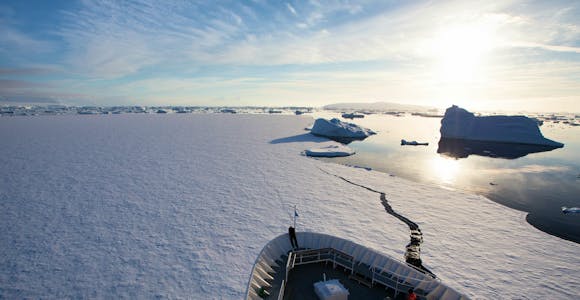
For the ultimate polar adventure, join a cruise that crosses the Antarctic Circle at 66 Degrees South and visit some of the most beautiful landmarks the White Continent has to …
Discover More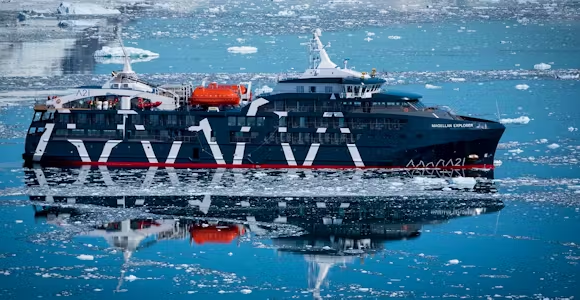
We work with a range of different Antarctic vessels, with expertise across the entire polar fleet, to give you the best choice of ship, cabin and departure date.
Discover More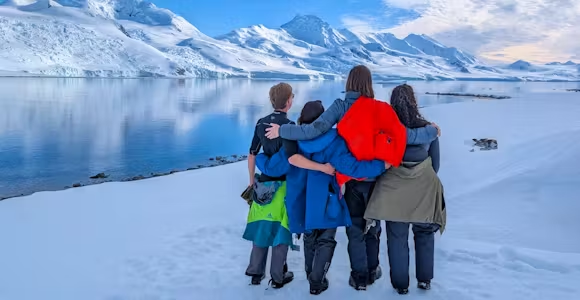
Choosing when to go to Antarctica is a key part of planning a cruise, with each month of the season offering a different side of the continent.
Discover MoreWe'll spend some time listening to your aspirations, then discuss the kind of experience that might suit you.
Next we'll discuss the options, shortlist the best trips for you and present you our impartial recommendations.
We'll place a 24 hour hold on your preferred option - without obligation - whilst we talk through the details.