



Antarctic Wildlife
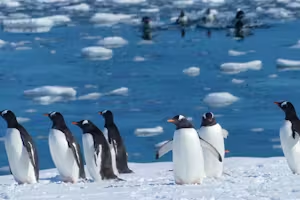
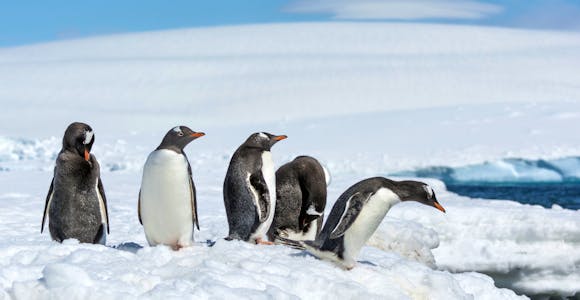
Antarctica abounds in penguins, seals and whales, making it one of the most rewarding wildlife watching places on earth.
Discover More
Make the most of every second – go to every lecture and every citizen science talk if you can. The guides' talks give you such a well rounded trip. By the end of the voyage you'll be soaking up every scrap of polar knowledge on offer!
Rebecca Porritt Antarctica Specialist
Learning about Antarctica starts long before you step foot on the White Continent. Your expedition team are true experts in their field, and offer onboard lectures throughout the voyage about everything from penguins to glaciology. Their depth of knowledge and experience is astounding; many have worked for years on the ice.
Lectures begin while you’re crossing the Drake Passage to build anticipation for Antarctica and help you interpret what you'll see when you arrive. Guide also offer impromptu talks out on deck, daily recaps after excursions and lively conversation at the dinner table, ship's bar or during landings: whatever the location, they’re always keen to share their polar insights.
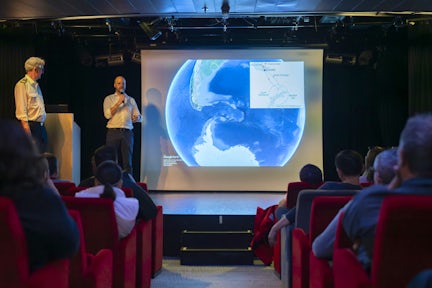
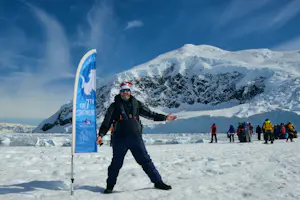
The true expertise of the guiding team really comes into its own when you’re off the ship, during shore landings and zodiac cruises. This is when Antarctica becomes an outdoor classroom, as guides share their deep knowledge as they look for wildlife, point out interesting behaviours or manoeuvre the craft to get closer to an interesting geological feature.
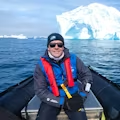
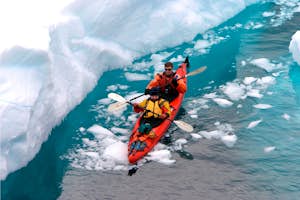
Zodiacs in particular make for an intimate and convivial location for impromptu field classes. What better way to learn about the vast scale of Antarctica when your guide plucks ice from the sea for you to listen to pop or air bubbles escaping from young sea ice, and compare it with millennia-old glassy ice calved naturally from a nearby glacier?

Some expedition cruise ships offer travellers the opportunity to take part in citizen science projects, collecting data for programmes run by major research institutions. It's the chance to actively learn more about the science carried out in Antarctica while helping to turn your ship into a genuine research platform.
There are a variety of citizen science projects, including sampling phytoplankton to look into the effects of climate change, surveying seabirds and whales, and even helping NASA train their weather satellites.
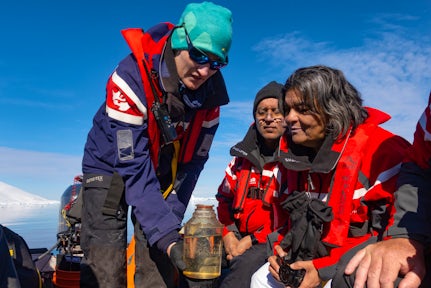
Some expedition ships regularly host Antarctic scientists on board to allow them to carry out their research, making your trip one of real discovery. Talking to the researchers on board it is a great opportunity to learn about cutting edge polar science.
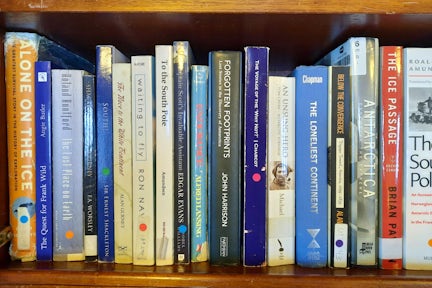
All expedition cruise ships carry their own well-stocked polar library. Antarctica has a wide literature, so this is the place to come to browse the shelves for some extra reading, whether you’re interested in history, travelogues, wildlife or just looking for inspiration with some coffee table photo books.
On some ships you’re able to take the books away to read in your own space, but most ship libraries are tucked into a snug corner with comfy chairs. There’s nothing quite like tucking yourself up with a hot drink and a window seat view of icebergs and reading about explorers with frozen beards to make you appreciate the comforts of a modern ship!
Expedition ships are different from the larger traditional cruise ships in that they encourage you to find out about their day to day operations. As a result, the majority of polar ships allow access to the bridge, either by operating an open bridge policy or tours with the ship’s officers at set times.
It’s truly fascinating to stand on the bridge, surveying the sea and ice ahead. The amount of technology on board might put you in mind more of a spaceship than an oceangoing craft, but amid all the screens you’ll still find traditional ship’s charts for plotting a course.
Bridge access is usually restricted when making complicated manoeuvres or if there is a pilot on board close to port.

The lectures and talks we had from the expedition staff, were great - and a wonderful way to pass the time on the long sailing days across the Drake Passage.
Travelled: December 2016
Declan - UK
Swoop has catered for travellers of every group size. Whether you’re adventuring solo or bringing a group of over 100. We can help.
Price Match Promise - We’ll match any price you find elsewhere for the same trip
The experience and expertise of Antarctic guides can be truly astonishing. Many have worked in the south for years, either on board cruise ships living and working on polar research bases.
Don’t be surprised at all if you discover that the wildlife guide telling you about whales did an advanced degree studying humpbacks, or that the geology guide casually mentions the long seasons they spent working in the Antarctic dry valleys. Each expedition cruise ship truly is a floating faculty.
Attendance at the talks is not compulsory. After all, you’re on a cruise, not at school. You won’t be tested at the end! There is always have the option of attending as many or as few of the talks as you like, although in our experience some of the topics that might not initially sound personally promising can turn out to be the most compelling. A polar education will do that to you.
On many ships, the onboard lectures are livestreamed into your cabins, so you can keep up with the talks without having to step outside your door. We know every ship in the polar fleet, so can advise if this option is available on your preferred vessel.
All lectures are pitched towards the engaged amateur. Your guide may have a PhD in penguin biology, but they certainly won’t expect you to: they’re all about sharing their knowledge in as accessible a way as possible.
No. Most ships livestream the lecture as it happens, but they are generally not recorded. A few ships do record the lectures to be watched in your cabin at any time, but it's not possible to take copies home. We strongly recommend watching the lectures as they happen, either in the lecture theatre from the comfort of your cabin.
English is the default language of Antarctic expedition cruising. A small number of ships always operate bilingually (with French or German being the most common combinations) and other ships may sometimes have a non-English speaking group on board
In these instances, the ships may operate lectures twice, once in English and once in the other language (often Mandarin for Chinese travellers. In some cases they may use technology with headphone sets and simultaneous translation provided by an onboard interpreter.
Antarctica abounds in penguins, seals and whales, making it one of the most rewarding wildlife watching places on earth.
Discover More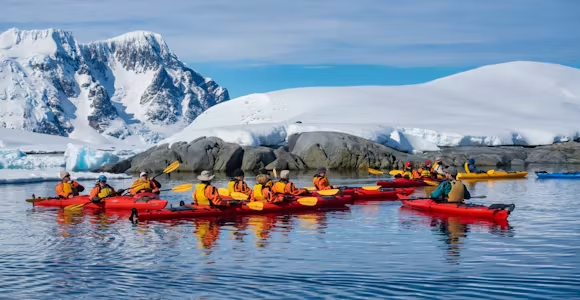
Picture a humpback whale gliding past your kayak or sleeping out in the pristine snow of a polar campsite. An adventure activity can take your Antarctic cruise to the next level.
Discover More
Choosing when to go to Antarctica is a key part of planning a cruise, with each month of the season offering a different side of the continent.
Discover More
Whether you’re visiting the Antarctic Peninsula or heading for the South Pole, discover the different routes by sea and air to visit the Seventh Continent.
Discover MoreWe'll spend some time listening to your aspirations, then discuss the kind of experience that might suit you.
Next we'll discuss the options, shortlist the best trips for you and present you our impartial recommendations.
We'll place a 24 hour hold on your preferred option - without obligation - whilst we talk through the details.