



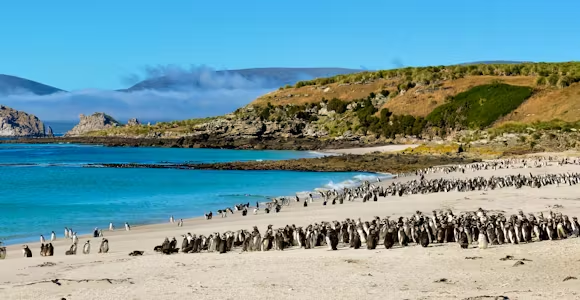
Carcass Island
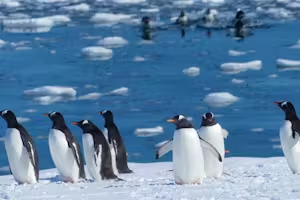
The white sandy beaches of Carcass Island are a popular draw for expedition cruise ships, with visitors coming here for the colonies of magellanic and gentoo penguins.
Discover More

Imperial shag at Bleaker Island
Bleaker Island is a thin rugged noodle of an island that stretches for nine rocky miles off the south-east coast of East Falkland. It was called Long Island when Charles Darwin came here in 1834 during his Beagle voyage, then Breaker Island for the great waves that crash onto its beaches, which slowly changed into its present name.
The island is dedicated to organic sustainable agriculture, with its excellent pasture providing fodder for both sheep and cows. The island is a haven for penguins, with four species here dominated by gentoos. The northern part of the island is a dedicated National Nature Reserve, and the island as a whole is internationally recognised as an Important Bird Area.

Rockhopper penguins on Bleaker Island
The first bird most visitors encounter on landing at Bleaker Island is the gentoo penguin. Around 2000 pairs nest here on the appropriately named Penguin Hill above the beach at Sandy Bay. Magellanic penguin burrows are also well-represented, with Falkland skuas another species nesting in the tussac grass.
A rockhopper penguin colony of around 750 pairs of birds clings to the steep slopes at Long Gulch. Nearby is the even more impressive king shag colony, 8000 pairs strong.
Between Sandy Bay and Long Gulch is Big Pond, which is well-stocked with water birds. Flying steamer ducks, Chiloé wigeon, white-tufted grebes, speckled and silver teal and black-necked swans are all regularly sighted here. As elsewhere on the islands, ruddy-headed geese are a common sight.
The rocks at Pebbly Bay below the rockhopper colony at Long Gulch can be a good place to spot southern sealions. It's a popular haul out spot for the species, although they do not breed here.
Don't forget to look down when walking on Bleaker Island – the dog orchids and lady's slippers here are some of the prettiest flowers you'll see in the Falklands.
Paul Clammer Guidebook Editor
Price Match Promise - We’ll match any price you find elsewhere for the same trip
Landings on Bleaker Island are typically made at Sandy Bay on the western side of the island, with zodiacs coming up on the wide beach there. A track leads up above the beach through the tussac grass past Big Pond and around the base of Semaphore Hill. to a viewpoint over the rockhopper penguin colony at Long Gulch, When leaving the beach take extra care to avoid the 'highway' used by gentoo penguins or trampling on vegetation that may conceal magellanic penguin burrows. Take extra care coming up from the beach as skuas also nest in the tussac and can defensively divebomb anyone they think may be threatening their nest.
Always maintain a distance of at least 6m between you and any wildlife at all times. Wildlife always has the right of way.
NOTE: Ship itineraries and visits to specific landing sites in the Falkland Islands can never be guaranteed. Plans can change as fast as the weather in the South Atlantic: decisions on which locations to visit are always made on the day by the ship's captain and expedition leader.
The white sandy beaches of Carcass Island are a popular draw for expedition cruise ships, with visitors coming here for the colonies of magellanic and gentoo penguins.
Discover More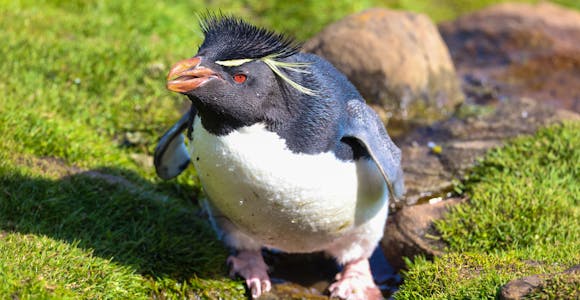
Saunders Island offers the chance to see four penguin species in one Falklands location, as well as a black-browed albatross colony
Discover More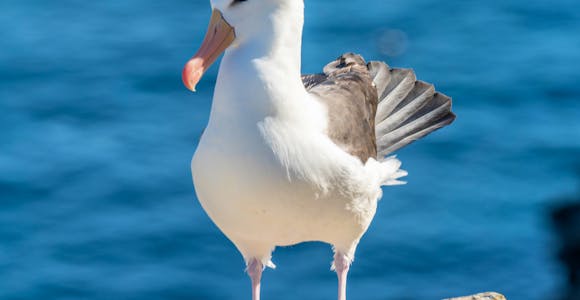
West Point Island is home to a large cliffside colony of black-browed albatross at the end of a hillside hike, which makes it a popular call for expedition cruise ships.
Discover More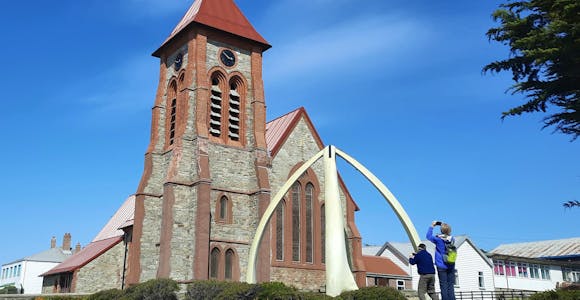
The pocket-sized capital of the Falkland Islands is full of history and easily explored on foot by visitors from expedition cruise ships.
Discover MoreWe'll spend some time listening to your aspirations, then discuss the kind of experience that might suit you.
Next we'll discuss the options, shortlist the best trips for you and present you our impartial recommendations.
We'll place a 24 hour hold on your preferred option - without obligation - whilst we talk through the details.